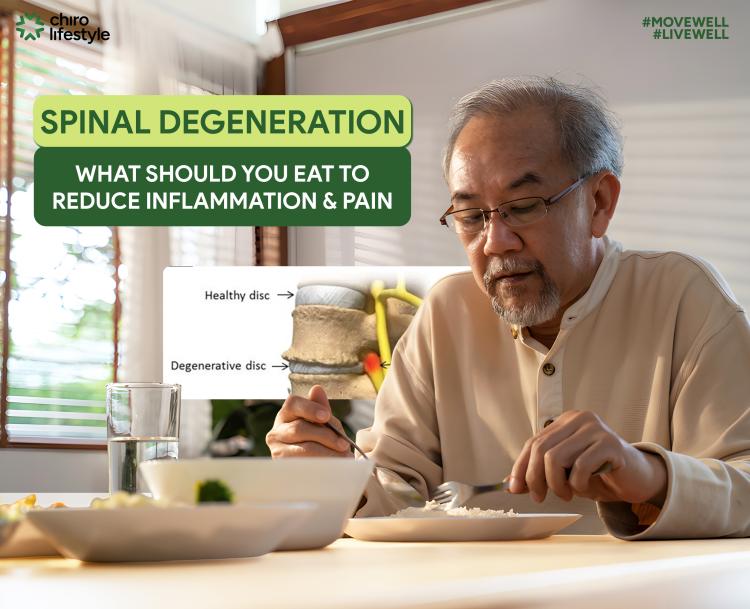
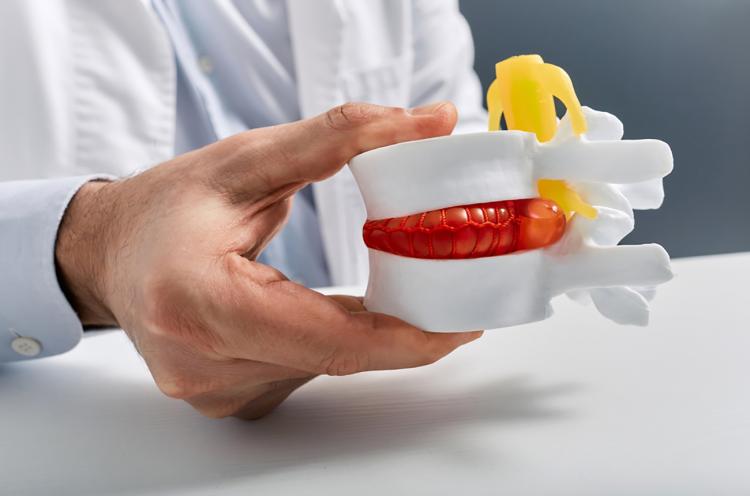
Healing from a herniated disc is a dynamic process involving multiple stages. Each phase plays a critical role in recovery, and understanding these stages can help patients manage expectations and actively participate in their healing journey.
Stages of Herniated Disc Healing
Healing from a herniated disc is a dynamic process involving multiple stages. Each phase plays a critical role in recovery, and understanding these stages can help patients manage expectations and actively participate in their healing journey.
1. Initial Stage: Inflammation Reduction
During this phase, the body’s natural inflammatory response activates to address the injury. Inflammation causes swelling, pain, and stiffness around the affected area. This stage typically lasts from a few days to several weeks, depending on the severity of the herniation and individual factors like overall health and age.
Key Goals:
- Reduce inflammation and pain.
- Protect the injured area from further strain.
Treatment Approaches:
- Rest and activity modification to minimize stress on the spine.
- Cold and heat therapy to manage swelling and promote circulation.
- Anti-inflammatory medications, such as NSAIDs, and prescription pain relievers.
- Gentle stretching or physical therapy to alleviate pressure on the affected nerves.
2. Intermediate Stage: Tissue Repair
As inflammation subsides, the body begins repairing the damaged tissues. This stage is marked by the gradual reduction of symptoms, including pain and stiffness, and an improvement in mobility.
Key Goals:
- Facilitate tissue healing and repair.
- Restore flexibility and strength.
- Treatment Approaches:
- Physical therapy focusing on core stability and spinal alignment.
- Targeted exercises to promote nutrient flow and enhance disc health.
- Controlled activities to prevent setbacks and support steady progress.
Research in European Spine Journal suggests that consistent engagement in rehabilitation programs during this phase significantly improves outcomes, reducing the likelihood of recurrence.
3. Remodeling Stage: Functional Recovery
During the remodeling stage, the healing tissues strengthen and adapt to restore normal function. This phase can last several months and is critical for preventing re-injury.
Key Goals:
- Rebuild strength and endurance in spinal support structures.
- Reinforce proper movement patterns and posture.
- Treatment Approaches:
- Gradual reintroduction of low-impact activities, such as walking, swimming, or cycling.
- Advanced exercises to improve spinal stability and overall fitness.
- Ergonomic adjustments and lifestyle changes to reduce spinal stress.
4. Maintenance Phase: Long-Term Prevention
Once functional recovery is achieved, ongoing care is essential to maintain spinal health and prevent future herniated discs.
Key Goals:
- Sustain spinal strength and flexibility.
- Minimize risk factors through lifestyle adjustments.
- Prevention Strategies:
- Regular exercise, including stretching and strength training.
- Proper body mechanics during lifting and daily activities.
- Maintaining a healthy weight to reduce spinal load.
By understanding and supporting each phase of healing, patients can achieve better outcomes and enjoy a higher quality of life. Combining medical guidance with proactive self-care is key to long-term success.
Language version
This article is also available in another language.