WHAT SHOULD YOU EAT IF YOU HAVE SPINAL DEGENERATION TO REDUCE INFLAMMATION AND RELIEVE PAIN EFFECTIVELY?
Table of contents12 sections
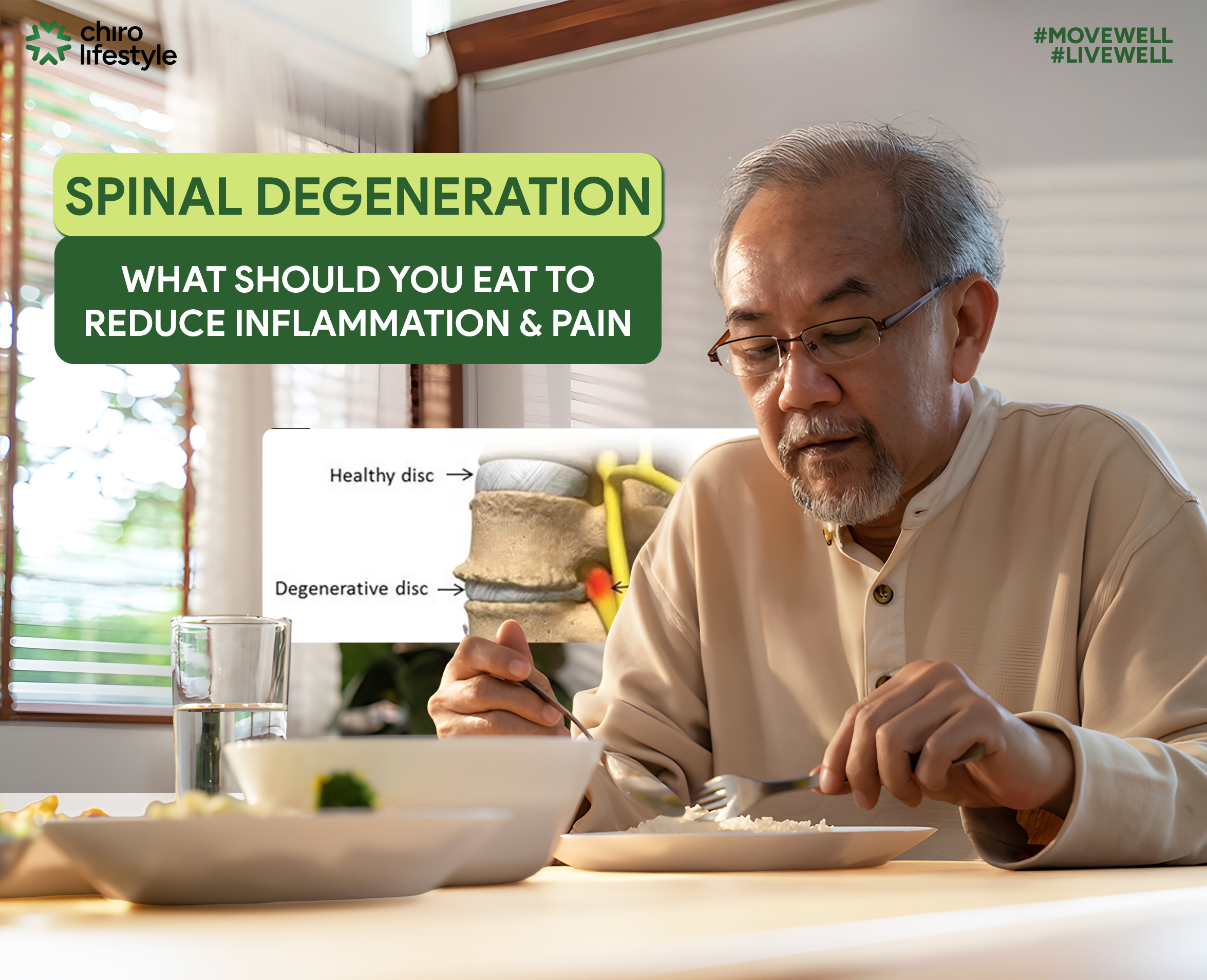
WHAT SHOULD YOU EAT IF YOU HAVE SPINAL DEGENERATION TO REDUCE INFLAMMATION AND RELIEVE PAIN EFFECTIVELY?
Spinal degeneration is a natural aging process in which cartilage and intervertebral discs gradually wear down and lose their elasticity. Persistent dull back pain, tingling sensations radiating down the arms or legs, and morning stiffness are common warning signs that your spine needs special care.
Alongside professional medical treatment, nutrition plays a critically important role in managing spinal degeneration. A proper diet not only helps control inflammation but also provides essential building blocks to slow down degeneration and support cartilage regeneration from within.
1. The Close Relationship Between Nutrition and Spinal Health
The spine is often described as the body’s “central pillar,” responsible for supporting posture and protecting the central nervous system. However, intervertebral discs and joint cartilage are highly vulnerable to nutritional deficiencies.
Medical research shows that:
Natural anti-inflammatory effects: Nutrients such as Omega-3 fatty acids and antioxidants help inhibit inflammatory enzymes, reducing pain and swelling without the side effects commonly associated with long-term medication use.
Structural regeneration: Calcium, Vitamin D3, and Collagen are an essential trio for maintaining bone density and the flexibility of intervertebral discs.
Weight control: A balanced diet helps maintain an ideal body weight, thereby reducing mechanical stress on the lumbar spine.
2. “Golden” Food Groups to Include in Your Daily Diet
To answer the question “What should people with spinal degeneration eat?”, prioritize the following four key nutrient groups:
2.1. Omega-3 Fatty Acid–Rich Foods
Omega-3 (especially EPA and DHA) is one of the most powerful natural anti-inflammatory agents. It helps reduce morning stiffness and protects intervertebral discs from oxidative damage.
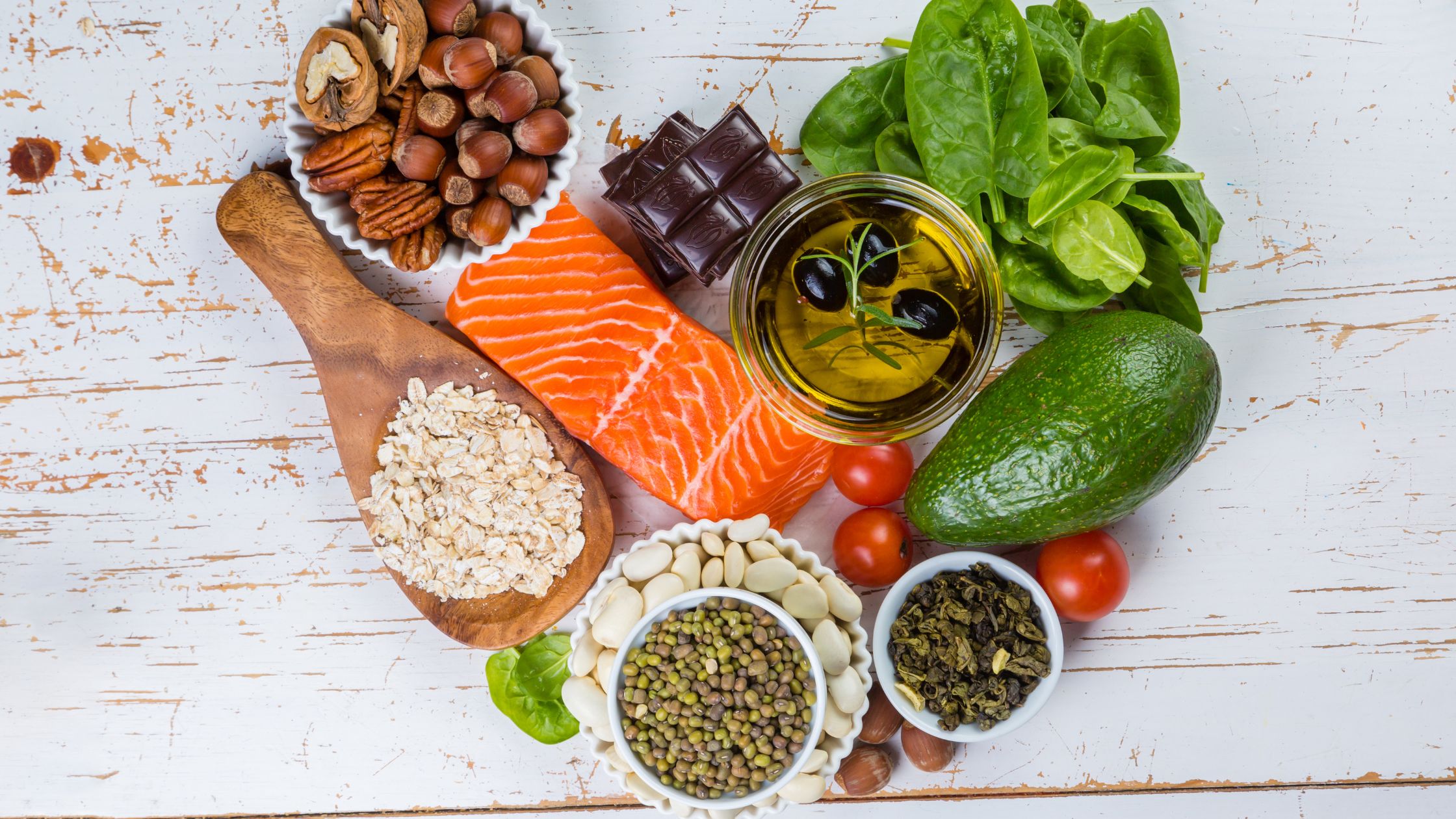
Sources: Salmon, tuna, mackerel, chia seeds, walnuts, and soybeans. Recommendation: Aim for at least two servings of fatty fish per week to ensure adequate Omega-3 intake.
2.2. Natural Calcium and Vitamin D3: Strengthening Bone Density
Calcium deficiency weakens bones, accelerating degeneration. However, calcium can only be effectively absorbed with sufficient Vitamin D3.
Vitamin D3 sources: Egg yolks, mushrooms, shrimp, and about 15 minutes of morning sunlight exposure daily.
2.3. Vitamin C and Collagen: The “Vital Essence” of Intervertebral Discs
Intervertebral discs are largely composed of water and collagen. Vitamin C plays a crucial role in stimulating the body’s natural collagen synthesis, helping discs remain resilient and elastic.
Sources: Oranges, pomelos, guava, blueberries, and other berries.
2.4. Magnesium and B-Complex Vitamins
Magnesium supports bone strength and neuromuscular function, while B vitamins (B1, B6, B12) help reduce numbness and tingling caused by nerve root compression.
Sources: Whole grains, brown rice, legumes, and leafy green vegetables.
3. “Harmful” Foods to Strictly Limit
Even with a healthy diet, the following foods can worsen pain and inflammation if consumed regularly:
Stimulants (alcohol, beer, tobacco): Promote vascular dilation and edema, and interfere with calcium absorption.
Processed foods: Canned foods, smoked meats, and processed meats contain high levels of preservatives and sodium, accelerating calcium loss through the kidneys.
Fried and spicy foods: French fries, fried chicken, and spicy instant noodles increase bad cholesterol and intensify inflammatory responses.
Refined sugar and carbohydrates: Sweets and carbonated drinks raise insulin levels, indirectly promoting spinal inflammation and pain.
4. Suggested One-Day Meal Plan for People with Spinal Degeneration
A well-balanced combination of nutrients helps optimize absorption and effectiveness:
Meal
Suggested Menu
Health Benefits
Breakfast
Oatmeal + 1 boiled egg
Fiber and Vitamin D
Lunch
Pan-seared salmon + steamed broccoli + brown rice
Omega-3 and Calcium
Snack
Unsweetened yogurt + 3 walnuts
Digestive support and Magnesium
Dinner
Pan-seared chicken breast + sprout salad + low-sugar fruits
Easily digestible protein and antioxidants
5. Important Tips for Long-Term Spinal Protection
Nutrition is the foundation, but optimal spinal health requires a holistic approach:
Stay hydrated: Intervertebral discs need water to maintain thickness and shock-absorbing function. Aim for at least 2 liters of water per day.
Maintain proper posture: Avoid slouching, excessive phone use with a forward head posture, or improper heavy lifting.
Engage in gentle exercise: Walking, swimming, or therapeutic yoga improves circulation and delivers nutrients to degenerating spinal segments.
Regular check-ups: Nutrition is supportive, not curative. Persistent pain should be evaluated early to establish an appropriate recovery plan.
6. Frequently Asked Questions (FAQ)
Q1: Should people with spinal degeneration eat a lot of red meat? Answer: No. Red meat (beef, goat, lamb) contains Neu5Gc, which can stimulate inflammatory responses and worsen joint pain. Opt for white meats such as chicken breast or fatty fish instead.
Q2: Can plant-based milk replace cow’s milk for calcium intake? Answer: Yes. Plant-based milks such as almond milk or soy milk are rich in healthy calcium and free from saturated fats, making them suitable for older adults or individuals with hypertension alongside spinal degeneration.
CONCLUSION
A healthy spine begins in your kitchen. Consistently following a diet rich in Omega-3, Calcium, and essential vitamins can help control pain and slow the progression of spinal degeneration. Remember, however, that nutrition is only one part of a long-term care journey—it should be combined with a healthy lifestyle and professional medical guidance.
TAKE CONTROL OF YOUR SPINAL HEALTH – LIVE LIFE TO THE FULLEST If you are experiencing spinal problems, don’t let pain hold you back. Call our Hotline 1900 54 55 24 or message us today to receive personalized, professional advice for your condition
Published
Language version
This article is also available in another language.
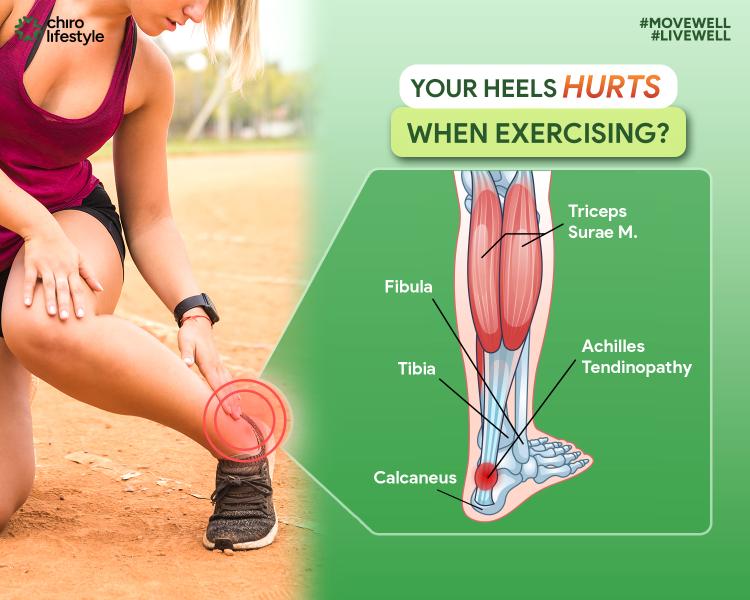
Persistent heel pain can be a sign of dangerous Achilles tendonitis if ignored. Learn about the causes, symptoms, and non-invasive treatment options for safe rehabilitation at Chiro Lifestyle Medicine.
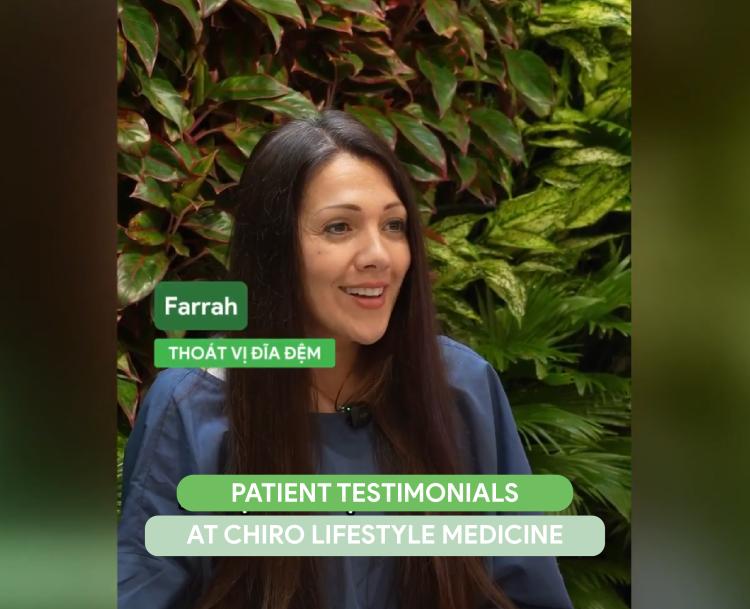
To my surprise, everything transformed after only 7 treatments! The pain vanished, allowing me to walk and work normally. I feel like I’ve reclaimed my life. If you have a herniated disc, don't give up—Chiropractic is an amazing way to get your health back.
Every day, our clinic welcomes patients of all ages—from students and office workers to athletes, seniors, and international guests. Watch the video to discover why Chiro Lifestyle is the preferred choice for so many people every day!
23/12/2025
Sử dụng ctrl + cuộn để thu phóng bản đồ
ĐẶT LỊCH TƯ VẤN
1:1 Consultation – Know What’s Wrong, Fix It Right