Expert Tips for Accelerated Healing
Nutrition and Hydration
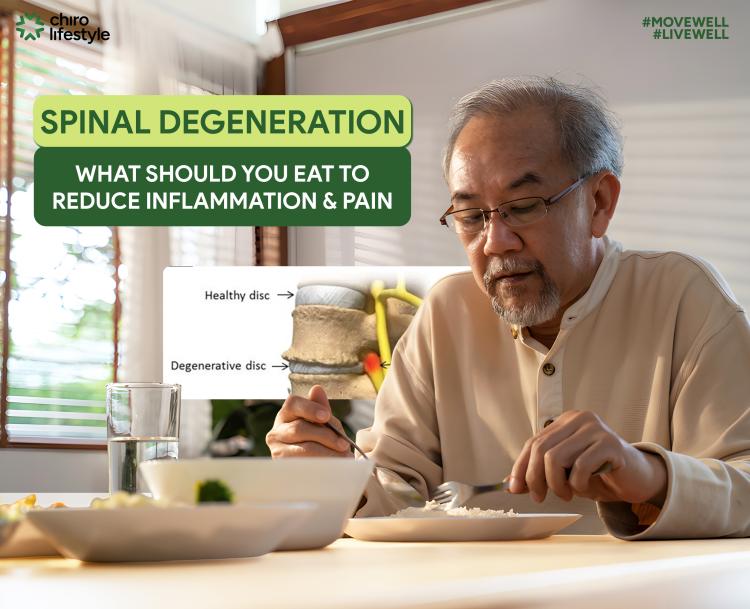
Optimizing nutrition is a cornerstone of the recovery process for herniated discs. Certain foods are known to either promote or hinder healing, largely through their impact on inflammation.
- Anti-inflammatory Diet: A diet rich in fruits, vegetables, whole grains, lean proteins, and healthy fats can help reduce inflammation and provide essential nutrients for tissue repair. Foods high in antioxidants, such as berries and leafy greens, support the body’s natural healing mechanisms.
- Evidence: Research published in Nutrients indicates that omega-3 fatty acids found in fatty fish, walnuts, and flaxseeds have strong anti-inflammatory properties and can aid in reducing pain and inflammation associated with disc injuries.
- Supplements: Certain supplements, such as glucosamine and chondroitin, may support cartilage health and reduce inflammation. Additionally, vitamin D and calcium are crucial for bone health and overall spine stability.
- Evidence: A study in Clinical Rehabilitation suggests that supplementing with omega-3 fatty acids and glucosamine can improve outcomes in patients with degenerative disc conditions.
Staying well-hydrated is equally essential, as spinal discs rely on proper hydration to maintain their structural integrity and cushioning function. Drinking adequate water supports the transport of nutrients to the affected area and facilitates the removal of inflammatory byproducts.
Lifestyle Adjustments
Making intentional changes to daily habits and environments can play a pivotal role in recovery.
- Ergonomics: Adjusting your workspace and home environment to be more spine-friendly can significantly reduce strain. For example, using an adjustable chair with lumbar support or a standing desk can help maintain proper posture.
- Evidence: A review in Applied Ergonomics highlights that ergonomic interventions reduce musculoskeletal strain and improve outcomes for individuals with spinal conditions.
- Stress Management: Chronic stress can exacerbate pain and delay healing by increasing muscle tension and triggering inflammatory pathways. Incorporating relaxation techniques, such as meditation, yoga, or progressive muscle relaxation, can mitigate these effects.
- Evidence: Studies in Pain Medicine show that mindfulness-based stress reduction (MBSR) techniques significantly alleviate chronic pain and improve quality of life in individuals with spine-related conditions.
Regular, gentle physical activity such as walking, swimming, or stretching can further enhance circulation and flexibility, aiding the healing process. However, avoid activities that strain the spine or cause pain.
Professional Interventions
While many herniated disc cases resolve with conservative measures, professional interventions may be necessary in specific scenarios.
When to Seek Immediate Attention: If you experience red-flag symptoms such as severe or worsening pain, numbness or weakness in the limbs, or loss of bladder or bowel control, seek medical care promptly. These could indicate nerve compression or other serious complications.
Innovative Treatments: Advances in pain management offer new avenues for recovery. Options include:
Regenerative Therapies: Platelet-rich plasma (PRP) or stem cell injections may support tissue repair and reduce inflammation.
Evidence: A study in Spine Journal found PRP injections to be effective in alleviating pain and improving function in patients with lumbar disc degeneration.
Minimally Invasive Procedures: Techniques such as percutaneous discectomy or endoscopic spine surgery can relieve nerve pressure with shorter recovery times compared to traditional surgery.
Evidence: Research in Global Spine Journal demonstrates that minimally invasive procedures are associated with faster recovery and reduced postoperative pain compared to open surgeries.
Working closely with a multidisciplinary team—including physicians, physical therapists, and pain management specialists—ensures a tailored approach to your recovery. By combining expert advice, evidence-based interventions, and self-care, you can significantly enhance the healing process and reduce the risk of future disc-related issues.

Conclusion
Summary of Key Points
This guide has provided a detailed exploration of the herniated disc healing process, outlining the critical stages of recovery:
- Inflammation Reduction Phase: The initial response to injury where managing pain and reducing inflammation are key priorities. This stage often involves rest, medication, and therapies aimed at alleviating pressure on the affected disc.
- Tissue Repair Stage: The intermediate phase where the body begins repairing damaged structures. Targeted physical therapy, gentle exercises, and improved circulation play pivotal roles in this stage, gradually restoring function.
- Functional Recovery Phase: The final stage, marked by significant improvements in strength, mobility, and overall functionality. This phase emphasizes the importance of maintaining spinal health through regular exercise, proper posture, and lifestyle adjustments.
Understanding these stages and their associated symptoms—from reduced pain and improved mobility to increased muscle strength—is essential for navigating your recovery journey effectively. Dr. Elias Delphinus has emphasized the importance of recognizing these milestones to make informed decisions and stay proactive in your healing process.
By integrating evidence-based treatments, adopting supportive lifestyle changes, and collaborating with healthcare professionals, you can enhance recovery outcomes and build resilience against future disc-related issues.