9 Daily Ways to Take Care of Your Bone and Joint Health for a Stronger Body
Table of contents19 sections
Introduction
The musculoskeletal system forms the foundation of all body movements. Bones not only support and protect internal organs but also store essential minerals such as calcium and magnesium. Although bone formation is most active during adolescence, maintaining proper bone and joint care is crucial at any age to prevent osteoporosis, joint degeneration, and to preserve mobility and flexibility.
1. Build a Bone-Healthy Nutrition Plan
1.1. Eat Plenty of Green Vegetables
Green vegetables are rich in vitamin C, which supports bone-forming cell production and provides antioxidant benefits. Recommended options: broccoli, spinach, bok choy, amaranth, parsley, and kale.
1.2. Ensure Adequate Protein Intake
Protein makes up about 50% of bone structure. A sufficient protein supply keeps bones strong and prevents fragility. Good protein sources: chicken breast, salmon, tofu, eggs, milk, almonds, and walnuts.
1.3. Get Enough Calcium
Calcium is the main component of bones. Daily requirements: 1,000 mg for adults, 1,300 mg for teenagers, and 1,200 mg for older women. Calcium-rich foods include milk, sardines, soy products, small edible fish, and green leafy vegetables.
1.4. Add Vitamin D and Vitamin K2
Vitamin D supports calcium absorption—found in early morning sunlight, fatty fish, eggs, and dairy. Vitamin K2 helps calcium reach the right places in the body and prevents abnormal deposits—found in cheese, liver, and natto (fermented soybeans).
1.5. Supplement with Magnesium, Zinc, and Omega-3
These nutrients promote bone formation, reduce inflammation, and protect joints. Best sources: salmon, flaxseeds, seafood, spinach, and pumpkin seeds.
2. Exercise Regularly
Regular exercise strengthens bones and keeps joints flexible. Weight-bearing activities such as brisk walking, stair climbing, jogging, yoga, swimming, and dancing help increase bone density, improve circulation, and reduce stress.
3. Maintain Proper Posture While Working
Poor posture when sitting, standing, or lying down for long periods can cause spinal misalignment and early degeneration. Tips:
Sit upright with open shoulders; avoid leaning too close to the screen.
Take short movement breaks every 45–60 minutes.
Use appropriate pillows and mattresses to support spinal alignment during sleep.
4. Keep a Healthy Body Weight
Being underweight reduces bone density, while being overweight puts pressure on the knees, hips, and spine. Maintain a BMI between 18.5–23 to best protect your bones and joints.
5. Stay Hydrated
Water keeps joint cartilage lubricated and reduces friction during movement. Drink 1.5–2 liters of water daily and avoid dehydration—especially during exercise.
6. Add Collagen for Bone and Joint Support
Collagen accounts for over 30% of body protein, forming the framework that helps bones stay elastic and resilient. Sources: bone broth, fish, eggs, or collagen peptide supplements.
7. Limit Alcohol and Tobacco Use
Both alcohol and tobacco interfere with calcium and vitamin D absorption, weakening bones and increasing fracture risk. Reducing or quitting these habits is essential for long-term bone and joint health.
8. Use Protective Gear During Physical Activities
If you play sports or perform heavy-duty tasks, always wear protective equipment such as knee pads, wrist or elbow guards, and helmets to prevent injury.
9. Manage Stress Effectively
Chronic stress elevates cortisol levels, which depletes calcium and weakens bones. Maintain relaxation through sufficient sleep, meditation, or yoga to keep your mind and body balanced.
Factors Affecting Bone and Joint Health
Lack of calcium and vitamin D
Sedentary lifestyle or prolonged sitting
Overweight or obesity
Smoking and alcohol use
Aging and hormonal changes
Chronic conditions (arthritis, osteoporosis, thyroid disorders, etc.
When to see a Doctor of Chiropractic
Consult a doctor if you experience:
Persistent pain, numbness, or stiffness (especially in the morning)
Reduced mobility or difficulty bending and rotating
Pain radiating to the arms or legs
→ Visit a musculoskeletal specialist for timely examination and treatment. Regular check-ups help detect early signs of osteoporosis, spinal misalignment, or joint degeneration and prevent long-term complications.
Comprehensive Bone and Joint Care at Chiro Lifestyle Medicine
At Chiro Lifestyle Medicine, we combine modern medicine with Chiropractic care to help clients improve bone and joint health from the root cause.
Our individualized treatment programs include:
Chiropractic adjustments to restore spinal alignment
Soft tissue therapy to release muscle tension
Functional rehabilitation exercises and posture training for daily life
Our goal is not only to relieve pain temporarily but to restore body balance, promote proper posture, and maintain long-term spinal health and quality of life.
Conclusion
A strong musculoskeletal system is the foundation for an active and fulfilling life. Start today—eat healthily, stay active, relax your mind, and schedule regular check-ups to protect your bones and joints.
If you are experiencing back pain, spinal degeneration, poor posture, or simply wish to prevent such issues early, visit Chiro Lifestyle Medicine for expert Chiropractic consultation and comprehensive care from our professional team.
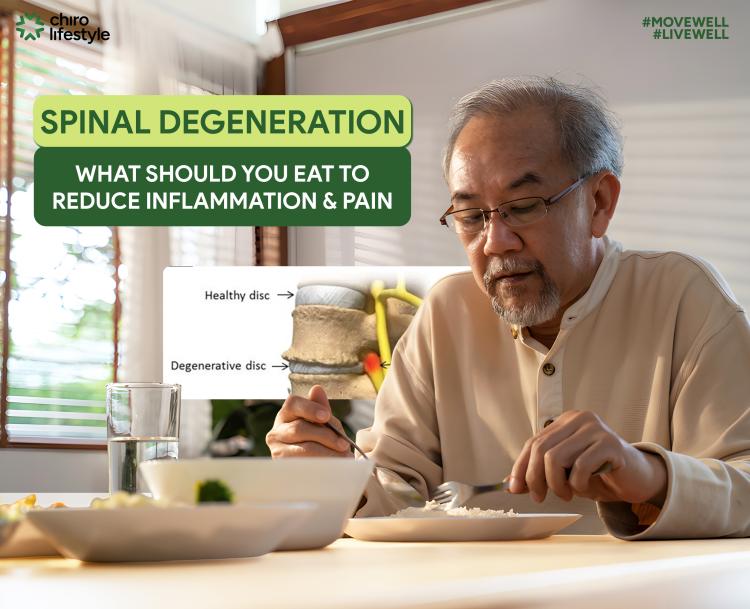
Spinal degeneration is a natural aging process where the cartilage and intervertebral discs wear down, losing their elasticity. Besides specialized medical treatments, nutrition plays a crucial role for people with spinal degeneration. Let's find out the connection between them and get some advices from Chiro Lifestyle Medicine.
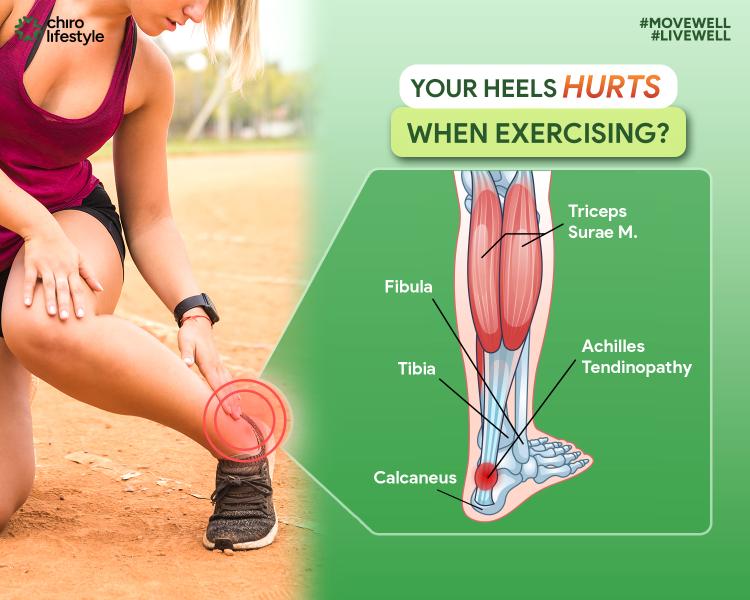
Persistent heel pain can be a sign of dangerous Achilles tendonitis if ignored. Learn about the causes, symptoms, and non-invasive treatment options for safe rehabilitation at Chiro Lifestyle Medicine.
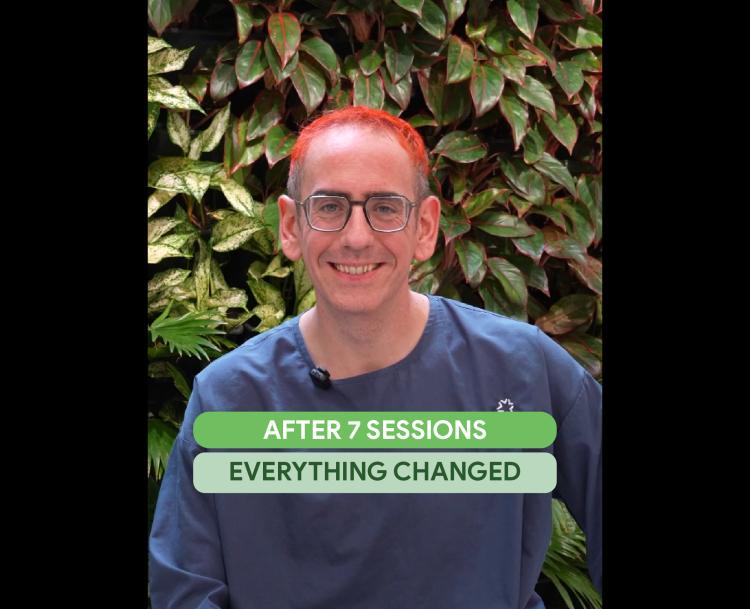
To my surprise, everything transformed after only 7 treatments! The pain vanished, allowing me to walk and work normally. I feel like I’ve reclaimed my life. If you have a herniated disc, don't give up—Chiropractic is an amazing way to get your health back.
23/12/2025
Sử dụng ctrl + cuộn để thu phóng bản đồ
ĐẶT LỊCH TƯ VẤN
1:1 Consultation – Know What’s Wrong, Fix It Right






.jpg)